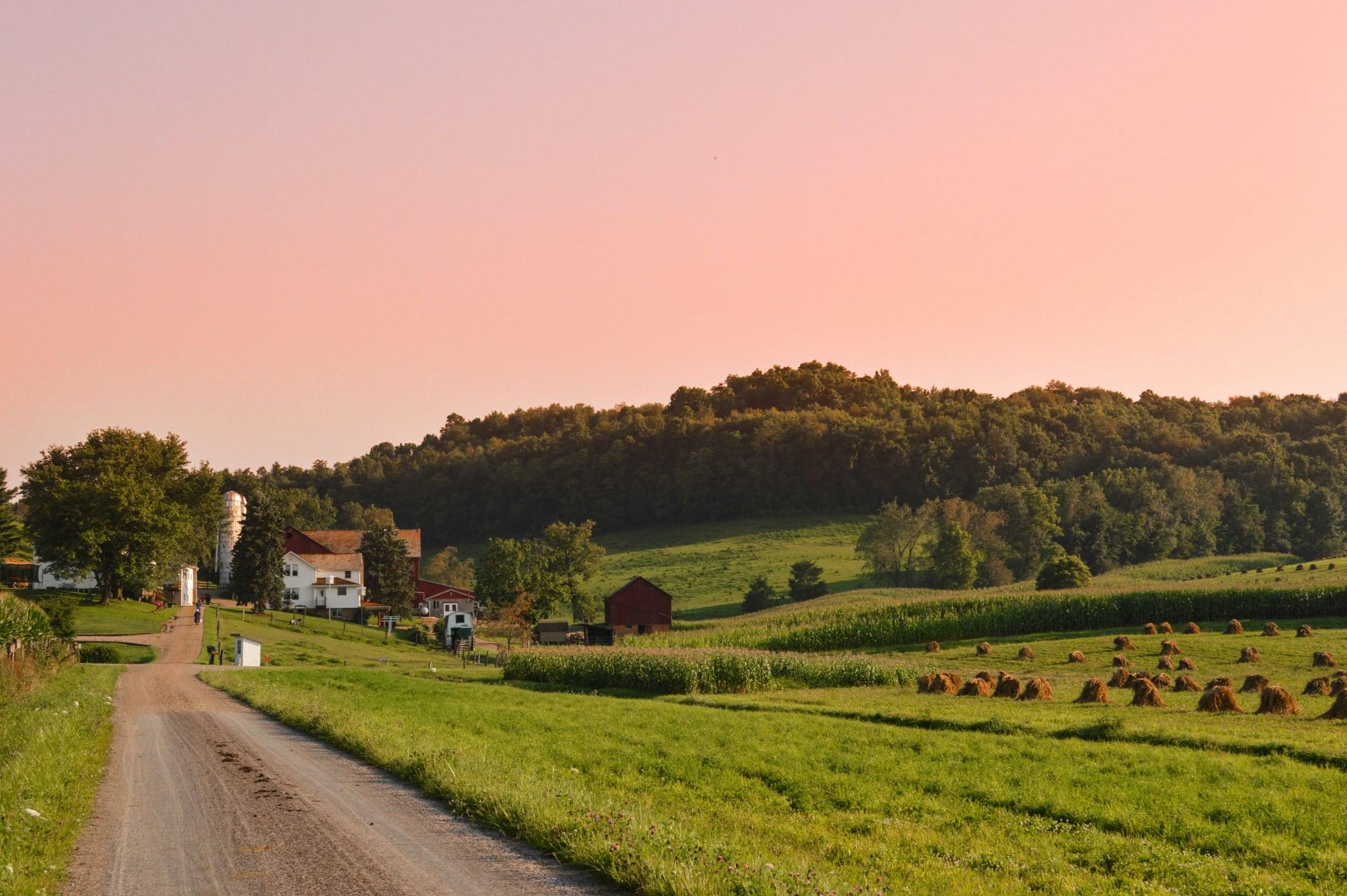
What Amish Gardens Reveal About a Way of Life
April 2026If you want to understand Amish gardening, start with one simple idea: the garden is part of the home.
Here, gardens are closely tied to daily life. They help feed the family in summer, fill the pantry for winter, and sometimes supply a roadside stand or market as well. They are also places where children learn chores, responsibility, and habits of self-sufficiency. More than that, they offer a connection to a simpler, more grounded way of living.
Flowers, herbs, and vegetables often share the same space, so beauty and usefulness are not separate ideas. That is part of what visitors notice first. The vibrant colors catch your eye. The rows of vegetables look striking from the road. But these gardens are more than attractive. They are planted with purpose.
It starts with the soil
One of the clearest lessons in Amish gardening is that a good crop begins beneath the ground.
Rather than purchase chemical fertilizers, Amish families tend to favor what they can produce themselves. The abundance of horses and other livestock means manure for the garden is readily available. Fertility is managed through compost, crop rotation, and cover crops, practices that work with natural systems rather than against them.
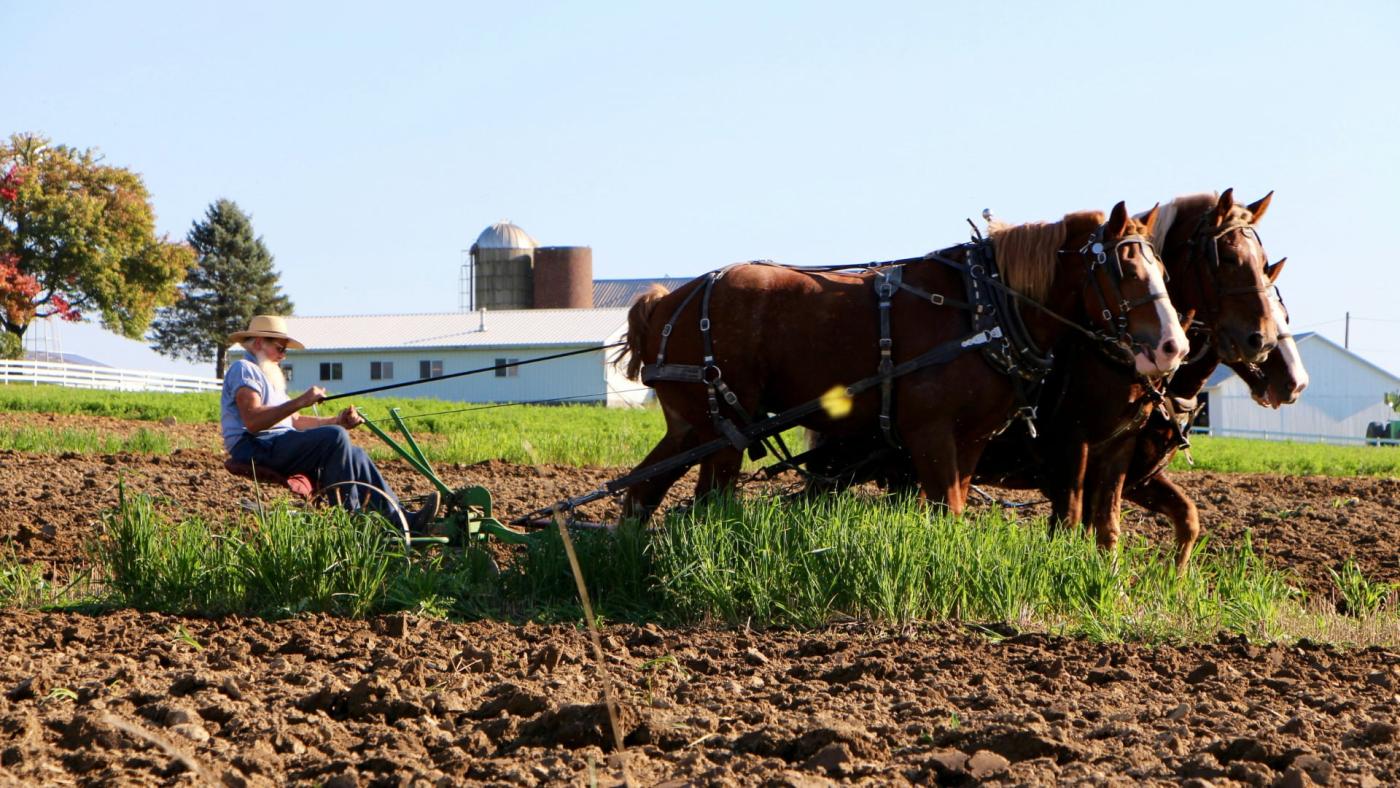
Other practical methods follow the same logic. Straw can help suppress weeds and hold moisture. Deep beds can help gardeners make the most of limited space. Each choice supports the same larger goal: building soil that will keep producing year after year.
Small plots, careful choices
In Ohio Amish Country, many farms and homesteads are smaller than people expect, especially when compared to conventional farm operations. The region’s hilly land makes usable growing space even more valuable. On some properties, several families may share the same homestead landscape. A garden cannot simply spread outward. It has to be planned carefully.
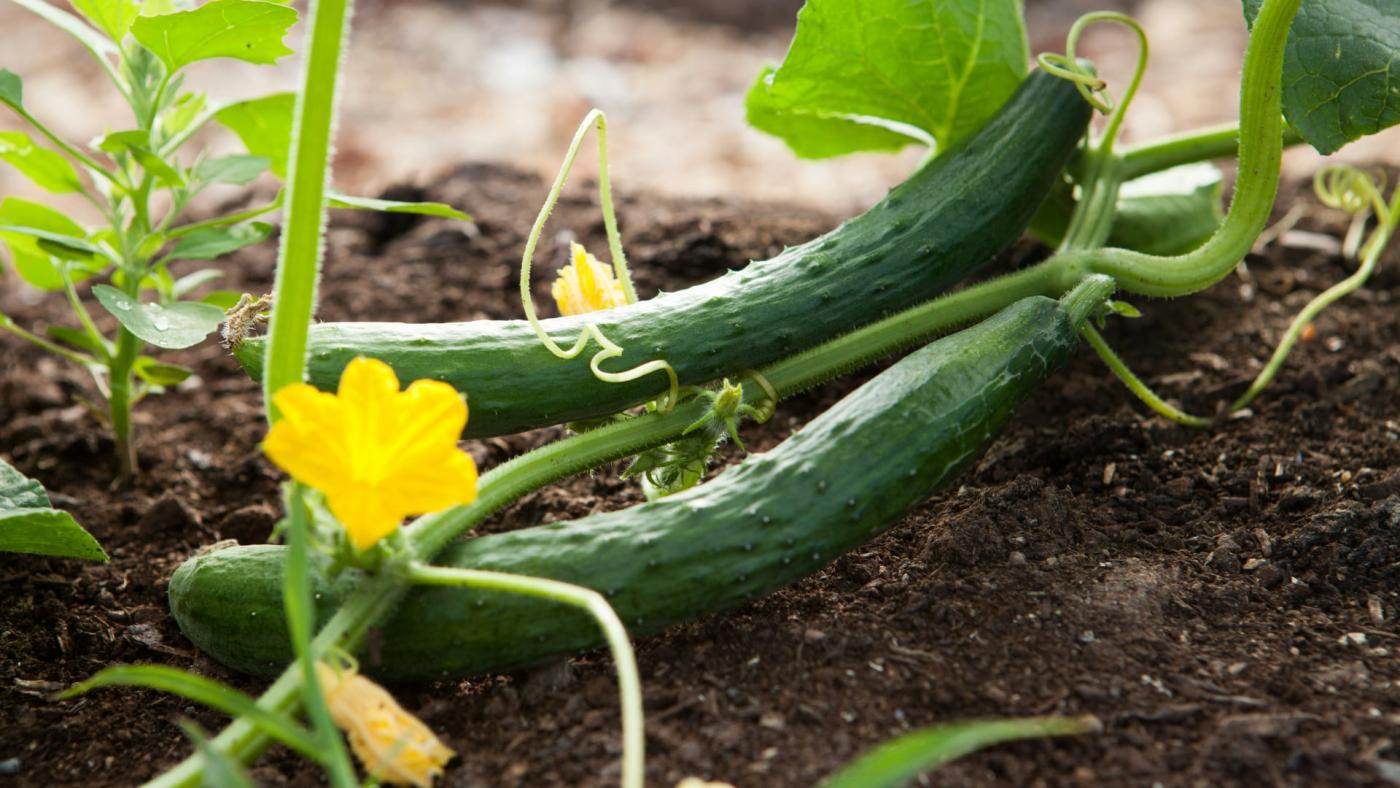
That helps explain why Amish gardens tend to center on dependable staples. Tomatoes, beans, cucumbers, sweet corn, potatoes, onions, cabbage, peppers, peas, beets, and squash show up again and again because they grow well in Ohio and serve more than one purpose. They can feed the family in season and stock the cellar.
A productive garden changes through the season
An Amish garden is rarely planned for a single burst of summer harvest. It is managed in stages.
Cool-weather crops get the season started. Lettuce, radishes, peas, onions, spinach, and early cabbage can go in first. When those crops are finished or begin to fade, that space may be used again for beans, cucumbers, late cabbage, beets, turnips, or other vegetables that can carry the garden into late summer and fall. Fast-growing crops help fill gaps, and open ground is not usually left empty for long.
Much of Amish gardening knowledge is passed from one generation to the next through work done side by side. Families learn which crops are worth the space, which varieties can store well, when the soil is ready, and how to read the weather. Over time, that kind of knowledge becomes part of the garden itself.
What Visitors See in an Amish Garden
For many travelers, Amish gardening offers a close-up view of a larger way of life, where beauty and practicality can exist together.
It is why garden-related stops are such a natural part of exploring Amish Country. Across the region, family-owned greenhouses, seed shops, and roadside stands reflect the same values seen in the gardens themselves.
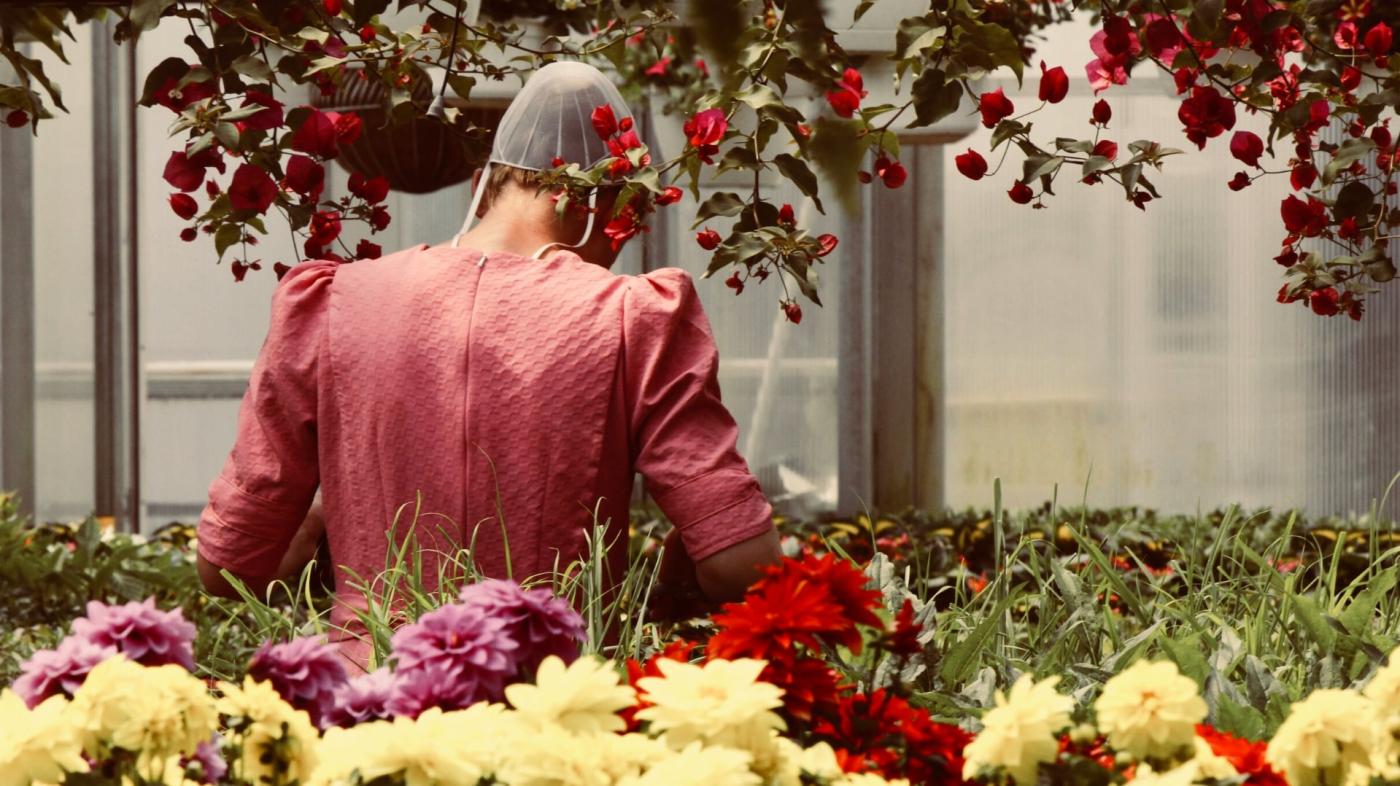
The Ohio Amish Country Greenhouse Trail brings many of these places together, guiding visitors to a network of growers who have spent generations working with plants, soil, and season.
Along the way, you may come across places like Berlin Seeds, known for its wide selection of garden favorites, or tucked-away stops like Cloverland Greenhouse. Near Berlin, The Gardens at Sheiyah, brings together live plants, pots, planters, and outdoor décor in a beautifully curated setting just minutes from some of Amish Country’s best shopping, dining, and experiences.
More than places to shop, many of these places are where the growing season is on full display. And the same knowledge that shapes Amish gardens at home is offered in what is grown and sold here.
If you’re ready for a spring gardening getaway in Ohio Amish Country, we make it easy to plan a stay you’ll remember.
Did You Know?
Adding just 5% compost to garden soil can quadruple its water-holding capacity. That helps plants ride out dry spells and makes watering more efficient.
A single teaspoon of healthy garden soil can contain billions of microorganisms.
Gardens with a range of blooming plants across the season tend to support more pollinators. Early, mid, and late blooms help keep those insects around when vegetable crops need them most.