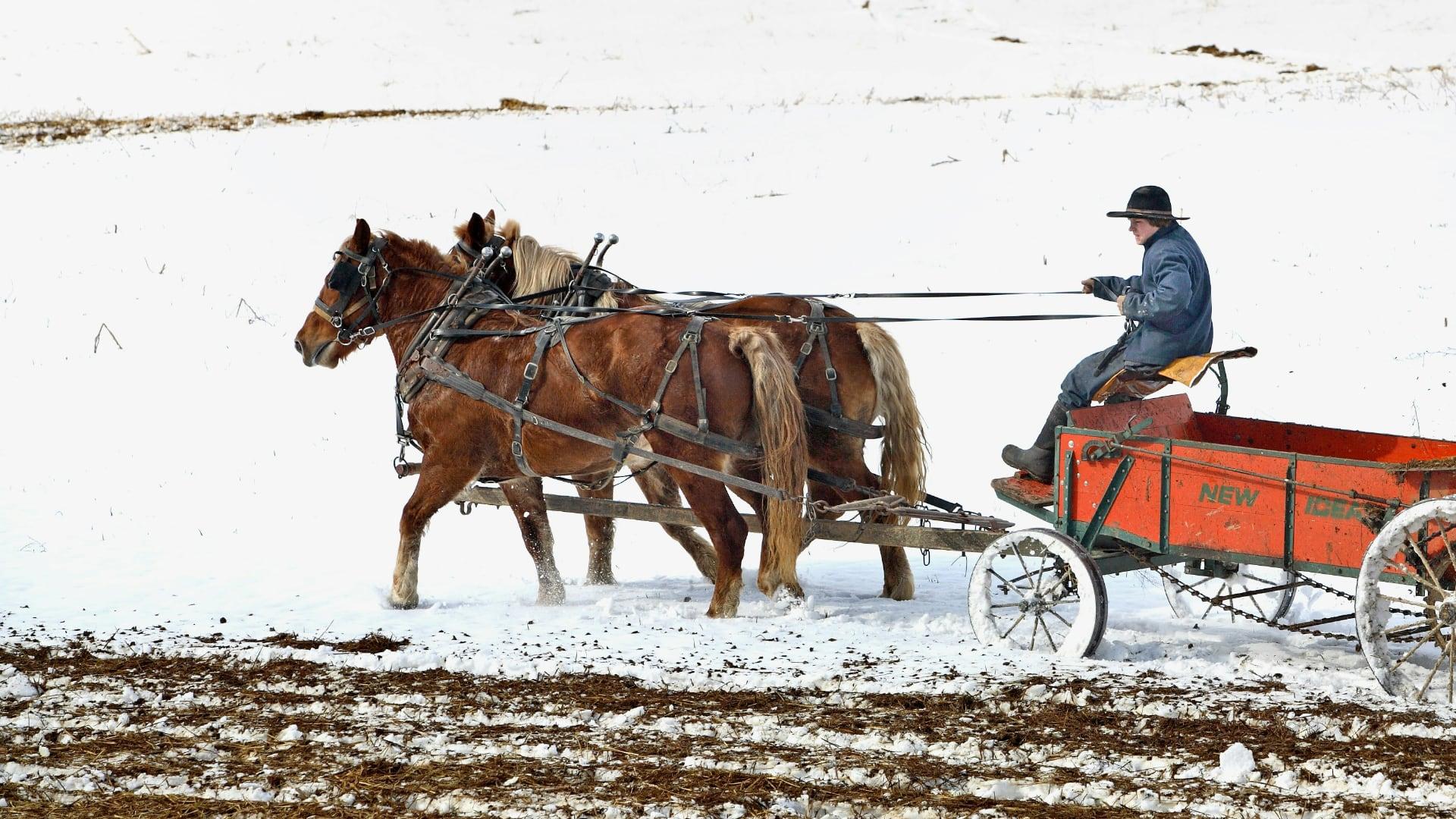
How the Amish Handle Winter Without Modern Comforts
February 2026Winter is challenging for most of us, even with everything working in our favor. We still deal with slick roads, frozen windshields, heavy coats, and the occasional power outage that reminds us how dependent we are.
Now imagine winter with fewer conveniences. No quick warm-up in the car. No easy reset when something breaks. Comfort would come from preparation, routine, and the people around you. That is where Amish winter life becomes a lesson in community resilience.
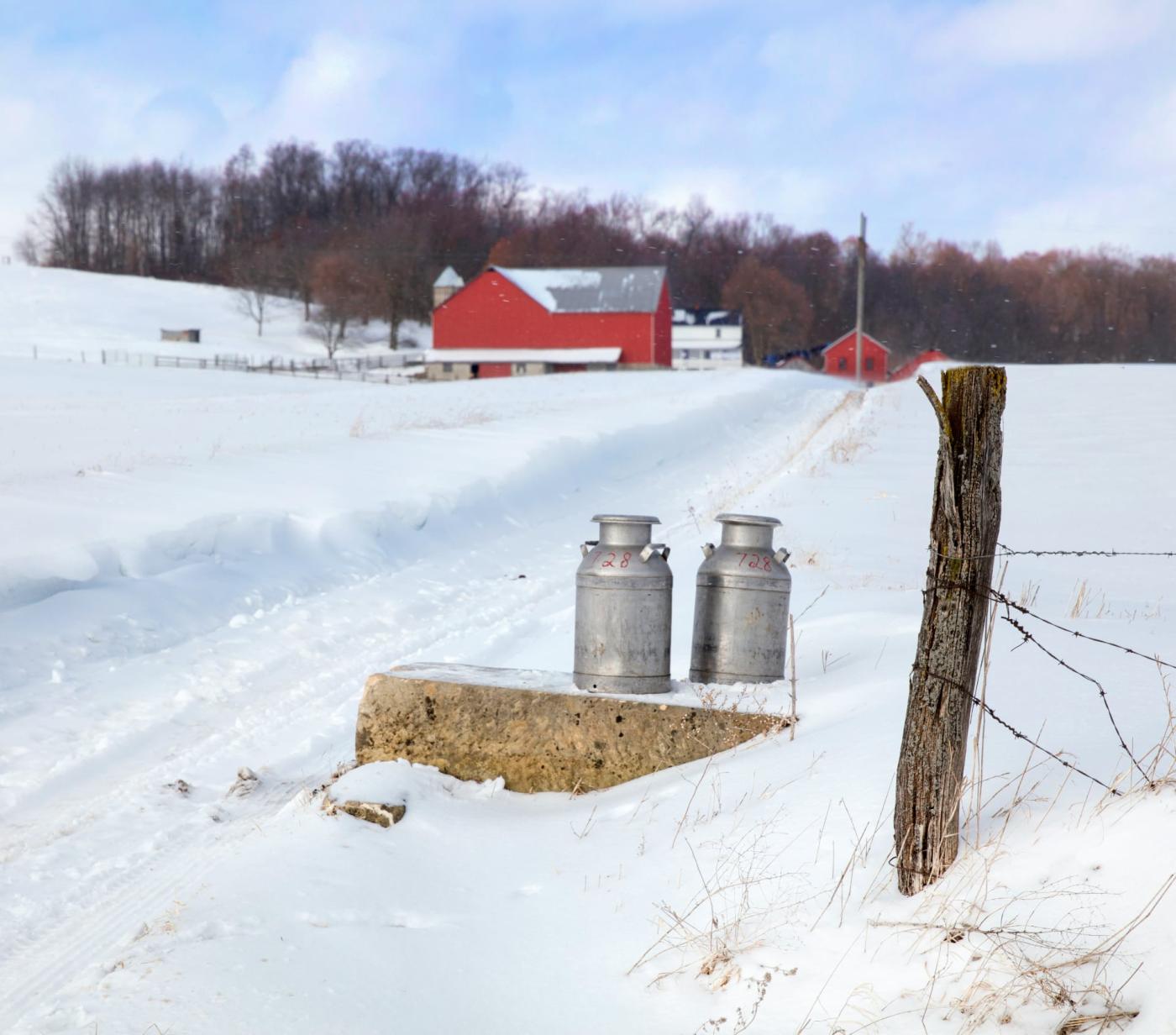
A Culture Built Locally
Each Amish community sets its own guidelines around tools and modern systems based on what leaders believe will protect faith, family life, and community cohesion. That means winter life can look a little different from one community to the next.
Some may allow certain forms of heating or equipment, while others choose stricter limits. The unifying thread is the same. A commitment to self-sufficiency that is also community sufficiency, where families rely on their own preparation and on neighbors, not outside systems, to carry them through the hardest season.

For a clearer understanding of Amish culture, history and beliefs, be sure to visit the Amish & Mennonite Heritage Center .
Heating the Home
For many Amish families, heating the home in winter centers on wood. Wood stoves and fireplaces are common because they are reliable, effective, and well understood. In winter, maintaining a consistent fire becomes part of the daily routine.
In more progressive Amish communities, propane or gas heaters may also be used to some extent. The approach varies, but the goal is the same. Dependable heat that can be managed directly, without full reliance on external infrastructure.

That expertise shows up clearly at Erb’s Stove Center located between Berlin and Walnut Creek. This highly reviewed local business specializes in fireplaces, wood and gas stoves, and hearth accessories. But the best part is learning from people who are knowledgeable and happy to walk you through the best options for your home.
Staying Warm on the Road
Staying warm on the road presents its own winter challenge. Amish buggies offer minimal protection from the elements, so cold air, wind, and blowing snow are part of every trip.
To manage that, families rely on practical solutions. Warm clothes and heavy blankets, known as buggy robes, are essential. Clear vinyl weather screens are often added to block wind. In some communities, small portable buggy heaters may be used. Ultimately, it is not about eliminating discomfort as the Amish accept that enduring the cold is simply part of winter daily life.
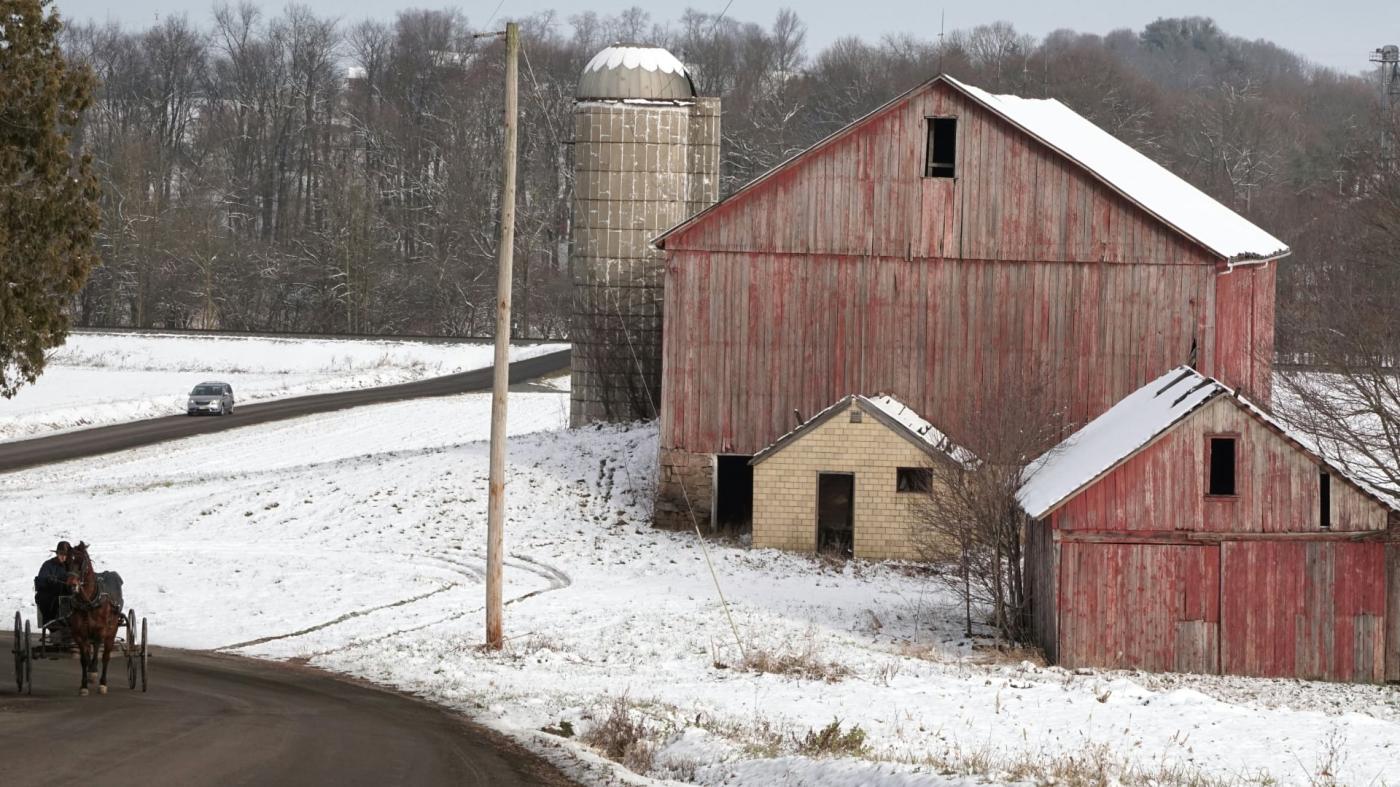
If you want a buggy ride without your eyelashes freezing, you can always wait for warmer weather and try one at places like Hershberger’s Farm and Bakery. And at Lehman’s, you can find Amish-made buggy robes that bring a little of that practical warmth home with you.
Winter Life Around the House
Around the house, winter adds layers of work that cannot be postponed or automated away. Laundry is a good example. Clotheslines are still commonly used year-round. Laundry may also shift indoors, with clothes hung near stoves or in warm rooms. In more progressive Amish communities, gas-powered dryers may be permitted.
Livestock chores continue regardless of temperature. Animals still need fed, watered, and sheltered from wind and snow. Barns are checked daily. Paths are cleared by hand. Ice is broken in troughs. Winter simply changes how the work is done, not whether it is done.
Planning Ahead With Food Preservation
Food preservation plays a critical role in Amish winter life. Long before cold weather sets in, pantries and cellars are stocked with home-canned fruits and vegetables, dried goods, and bulk staples meant to last through the season.
Root cellars provide natural cold storage for potatoes, apples, squash, and other produce without electricity. By winter, the work has largely been done. The focus shifts from acquiring food to using what has already been prepared.
For a taste of everyday Amish Country staples, stop at The Ashery Country Store, where bulk foods, baking ingredients, spices, candies, and pantry basics fill the shelves.
Winter Work and Winter Rhythm
Winter also brings a different kind of work. With outdoor chores slowed, cold months are often used to repair machinery, maintain tools, mend clothes and prepare for the year ahead.
In some Amish communities, winter has traditionally included harvesting ice. When ponds freeze solid, large blocks are cut, hauled, and stored in insulated ice houses so they last into warmer months. It is another example of using the season itself as a resource.
Making Room for Winter Recreation
Winter is not only about work. It also brings its own forms of recreation in Amish communities. Children sled down hills. Ice skating appears when conditions allow. Families gather indoors for games, reading and visiting, often spending evenings around the stove talking or working on crafts together.
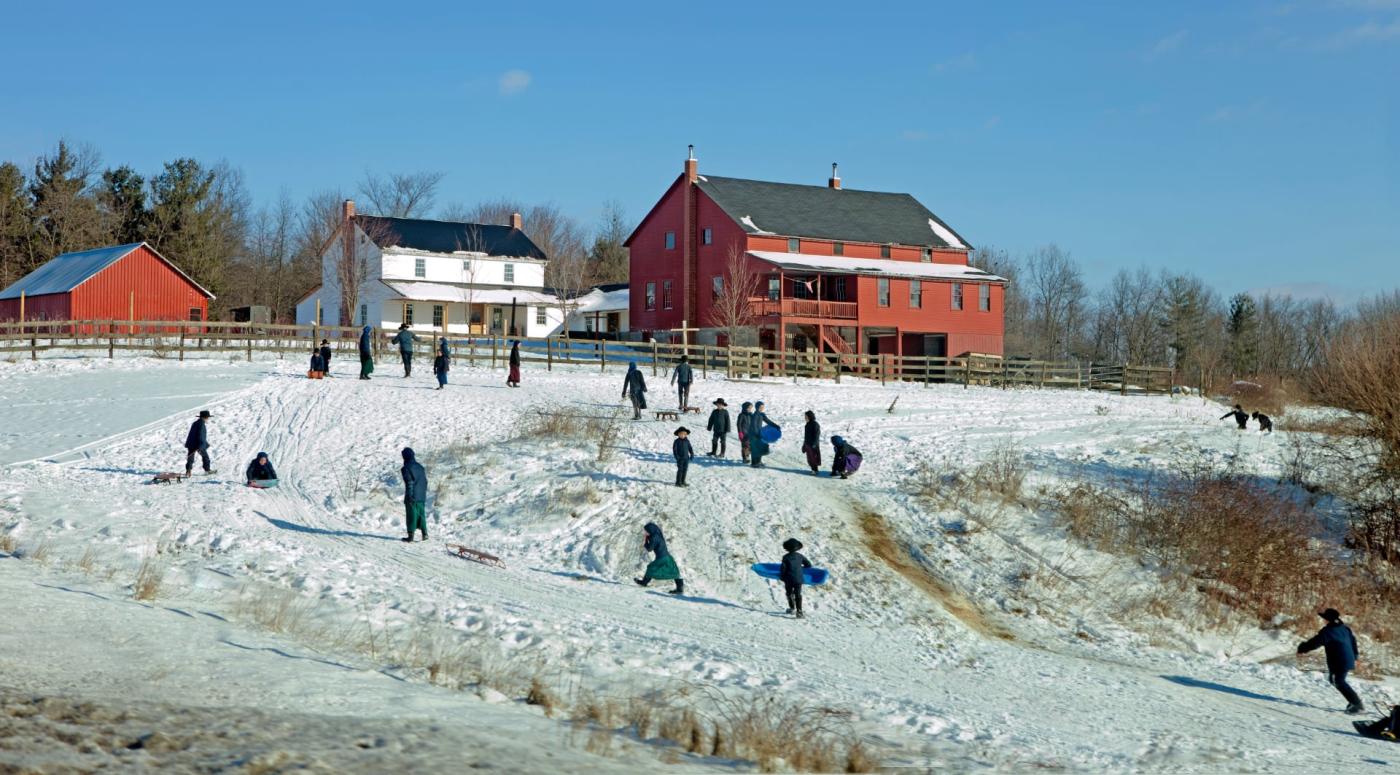
Social life does not disappear in winter. It simply stays closer to home.
Warming Up the Amish Country Way
There’s no better way to learn about winter life in Amish Country than to experience it for yourself.
After a day spent learning how Amish communities embrace winter, there is something especially satisfying about settling into a warm, quiet place of your own. Amish Country is known for lodging that leans into comfort, calm, and simplicity, making winter visits feel intentional.
You can find your perfect stay and book your winter getaway at visitamishcountry.com